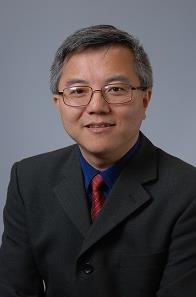
Dr. Jun Wan PhD
Associate Professor With Tenure, Department Of Medical And Molecular Genetics ORCID:0000-0001-9286-6562 · United States
Editorial leadership for Journal of Biotechnology and Biomedical Science ISSN 2576-6694
Research interests
- Dr. Wan's Research Focuses On The Computational
- Functional Analysis Of Biological Networks: Bioinformatics
- Computational Systems Biology Epigenetics
- Gene Regulation Cancer Genomics
- Translational Informatics Multi-Omics Data Integration
- Analysis Deep Learning
- Data Mining For Genetics
Biography
Dr. Jun Wan is an accomplished scientist specializing in Bioinformatics and Computational Systems Biology, with a core focus on Cancer Genomics. His research aims to understand the functional alterations of gene regulatory networks from the perspectives of epigenetics, transcription, and translation. He employs Deep Learning and Data Mining methods to decipher genetic and epigenetic codes, investigate master regulators for gene programming, and analyze small molecule-protein interactions. His work is critical for advancing personalized medicine and discovering new therapeutic targets in cancer research.
Education Details
Dr. Wan's academic background includes an unusual but impactful pivot from physics to biomedical research:
- PhD: Physics (Queen's University, Kingston, Ontario, Canada, 2006)
- Postdoctoral Training: Bioinformatics (Johns Hopkins University School Of Medicine, Baltimore, MD)
- M.S.: Physics (Fudan University, China, 2001)
- B.S.: Physics (Shanghai Jiao Tong University, China, 1991)
Professional Background
His professional career includes leadership in bioinformatics core facilities at major NCI-designated cancer centers:
- Associate Professor With Tenure (Current, Since 2022) - Indiana University School Of Medicine.
- Director (Current) - Collaborative Core For Cancer Bioinformatics (C3B), serving Indiana University Simon Comprehensive Cancer Center (IUSCCC) and Purdue University Center for Cancer Research (PUCCR).
Achievements
Dr. Wan has received recognition for his influential research in computational systems biology:
- Showalter Scholar (Awarded in 2023).
- Director of the Collaborative Core For Cancer Bioinformatics (C3B).
Current Research Projects
His current research efforts are focused on integrating multi-omics data and developing advanced computational methods for cancer:
- Multi-Omics Integration: Developing computational frameworks (like DiCE) to integrate diverse '-omics' data and identify subtype-specific predictors of drug response, particularly in breast cancer.
- Gene Regulatory Networks: Exploring master regulators and their interactions through DNA methylation, microRNA regulation, and chromatin organization studies.
Academic Profiles Of Dr. Jun Wan
Explore his academic and professional presence across trusted platforms:
Selected publications
- An organoid-based screen for epigenetic inhibitors that stimulate antigen presentation and potentiate T-cell-mediated cytotoxicity 2021 cited 99×
- Upregulation of lipid metabolism genes in the breast prior to cancer diagnosis 2020 cited 78×
- GESS: a database of global evaluation of SARS-CoV-2/hCoV-19 sequences 2020 cited 69×
- FOXP3 exon 2 controls T reg stability and autoimmunity 2022 cited 66×
- Follicular regulatory T cells inhibit the development of granzyme B–expressing follicular helper T cells 2019 cited 57×
- Lipid droplet-associated lncRNA LIPTER preserves cardiac lipid metabolism 2023 cited 56×
Ranked by citation impact (Crossref) where available, newest otherwise · verified via ORCID.
Considering JBBS for your work?
This journal is guided by Dr. Jun Wan (Associate Professor With Tenure, Department Of Medical And Molecular Genetics ORCID:0000-0001-9286-6562) and a peer-review board of practising researchers. Open access, author-retained copyright (CC BY), and a clear editorial process.